I don’t know if it was just me, but my hometown’s public school system DID NOT prepare me in learning how to be an adult.
Don’t get me wrong. As an educator, a university student, and a child of immigrants, I understand the value education. I took school seriously.
I did my work, turned in my assignments, and never refused a class because it was too difficult.
If anything, that last part is one of my flaws. When it came to work and school, I’ve always struggled to know when to quit.
It’s so bad that I retook a university calculus class three times and didn’t think too much about it…until my professor publicly posted one of my graded assignments on his social media page.
Granted, he didn’t show my name…but I could tell it was mine because of my handwriting. It was covered in red marks with a caption. The comments were brutal…Even then, I kept retaking the class until I passed!
All of that is to say: I believed in education. In some ways, I still do.
Despite taking education seriously, the public school system where I grew up in failed to teach me how to be an adult.
Sadly, I see it continuing to fail today’s middle and high school students.
Growing up, I thought ALL public school HAD to provide “life skill” classes like:
- A driver’s education course
- More than one foreign language options
- Home Economics
- Financial Literacy
- Physical Education
But during my time in school, they were slowly taking all of those classes away.
The driver’s education course was taken away by the time I finished 9th grade. They took away foreign language classes from the middle school and reduced the options to Spanish only, after my time in 10th grade. Home economics and financial literacy had already been removed from the district during the 2000s.
As for physical education…it existed during my time but really doesn’t exist in my district now.
It still exists for the elementary kids within my district. However, in my current district’s middle school and high school system, it doesn’t exist. The kids are just there on the phones and on the bleachers.
I am sure that THERE ARE BETTER SCHOOL DISTRICTS OUT THERE! But that doesn’t change how important these classes are.
I think people understand that these classes are important, but the attitude of whose responsibility it is to teach those life lessons to have shifted.
Before, it was seen that it was the institution’s responsibility to teach students how to be an adult and prepare them for adulthood. Now, that responsibility is placed ultimately on the families.
While it is understandable that families are the backbone of society, we must acknowledge and remember that not all families are the same.
For students from broken homes — or no homes at all — school may be their only reliable source of guidance. When practical life skills are missing from the curriculum, those students are left with gaps that may not even realize exist.
I understood from a young age that I was missing the practical lessons that were supposed to happen as I matured. I tried to fill in the gaps myself by looking for content that I though was necessary for all adults to know.
Sadly, the problem was simple: you don’t know what you don’t know.
I learned the “right of passage” lessons, like how to drive a car, from reading up the driver’s manual and my dad taking me to empty parking lots and back roads. But the everyday skills required to truly sustain myself didn’t fully hit until I moved out of my parents’ home.
At the time, I was working thirteen-hour days, six days a week. When I got home, I focused on my responsibilities, decompressing, and surviving the day. Learning how to be an adult, with that kind of schedule, felt overwhelming.
I knew that if I really wanted to learn how to take care of myself, I needed to find a way to incorporate it to my life.
Before moving out, I was already a voracious manga reader.
They’re entertaining and many of them come with great lessons along with the stories. Some lessons were educational, but only in the story as part of a theme and not really as the lesson.
Then, it got me thinking: surely there are manga books out there that don’t just tell stories — but actually teach you how to be an adult…right?
RIGHT?
If you clicked on this post, you probably wondered the same thing.
And thankfully, the answer is yes.
There ARE manga that are both entertaining and educational.
Some focus on practical life skills while other offer guidance on navigating adulthood itself.
Below are the manga that can help you fill in the gaps that you might’ve needed in learning how to be an adult. They’ll be divided up into five categories.
…And I’m not going to lie, some of them I have read but others have inspired me to read for later.
This site contains affiliate links, please view our disclaimer policy for more information.
1. How to Clean
One of things that I learned while being under my parents’ roof was how to clean up after myself. Part of it came directly from them, but a lot it actually came from the internet.
From my parents, I learned the basics such as how to fold my clothes or how to clean a toilet. But once I started living away from them, I realized that I was still missing something.
When I first moved into my apartment with my boyfriend, the only thing that took up my space were an air mattress, a box, my gaming console, and a monitor. I owned only four grocery bags’ worth of belongings:
- One bag for work clothes
- One bag for house clothes and underwear
- One bag that only had three bath towels
- One with personal care items
I would come home from work with batches of my clothes on the floor, take a shower, get on the mattress, and play video games with the monitor sitting on top of the empty box.
For the first three months, I lived like this and I honestly didn’t care. It was my first time having the freedom to be “on my own,” away from my parents.
Overtime, with the help of my boyfriend, we slowly accumulated the things that we needed: cooking utensils, hangers for the closet, dressers, plates, cups, etc.
Then, because we were brand new to being in our own space, the people in our lives began donating the things that they didn’t need to help us navigate this new chapter in our lives. They gave us lamps, pots and pans, cutting boards, toasters, and other household items.
Once we had the things we needed, we then decided to make our apartment our home. I bought a mini hydroponic lamp, some coloring books, scented candles, hydraulic desks, and ergonomic office chairs. He bought gaming consoles, posters, speakers, cameras, succulents, etc.
Over time, we accumulated so much stuff that organizing became a challenge.
What also made it harder was that I had to clean things that I never cleaned before.
I had to learn how to deep-clean the oven, the fridge, and the freezer.
I didn’t know how to wax the floors.
I had to figure out how to clean the shower since the walls was literally vinyl.
Back then, I worked 13-hour days, six days a week. So, I had little time to relax or do the things that I enjoyed.
I focused on the bare minimum cleanup at the time: Dishes, laundry, and grocery shopping.
My boyfriend—now husband—would be responsible for the deep cleaning.
At first, this was doable. Then he changed jobs and his new schedule required more time from him. Slowly, the cleaning started to feel heavier and more overwhelming.
One day, I managed to get a second day off and realized that I wanted to optimize my time as much as possible.
Before I had the skill to come up with my systems and routines, I needed something to spark the change I needed. At the time, my motivation was simple: I wanted to put less time into cleaning.
That’s when I found this book:
A manga adaptation of Marie Kondo's famous decluttering guide that blends practical tidying advice with a relatable, fictional story of Chiaki, a young woman in Tokyo who struggles with a cluttered apartment and lack of direction.

I’d say that this book was my first real step into learning how to be an adult.
This book taught me more how to be organized and showed me ways to fold and put away clothes. Most importantly, it helped me become comfortable with letting go of the things that no longer benefit me anymore.
Do I perfectly keep my place immaculate at all times? No.
I’m still human and have my messy days, but the book taught me to be more intentional about the kind of lifestyle I want to live.
Thanks to this book, I earned back at least 2 extra hours a day that I used to spend cleaning.
I knew for this part of this post, I needed to include Marie Kondo’s book. However, in researching other books that may be similar to this, I came across this series:
Honorable Mention: Wash It All Away

|
|

|

|

|

|

|

|

|

|
|
N/A
|
$11.99
|
$11.99
|
$11.99
|
$11.99
|
$11.99
|
$11.99
|
$14.99
|
$14.99
|
This new manga is more of a calm, mature kind of read.
It’s not a practical, “how to do” kind of read. It’s a regular story manga that has recurring theme of cleaning woven throughout its’ story.
The story revolves around Wakana Kinme, a woman who has lost her memories before two years ago. She owns a laundromat and has a very loyal group of customers.
In the story, she’s almost always cleaning, talking about cleaning, or visiting a bath house.
It’s not necessarily a wholesome read, but it is a slower pace manga with some cute and gentle moments.
It’s projected that this manga will an anime adaptation in 2026.
As a broke college student and teacher, I couldn’t afford to read all of the volumes. Still, this is an interesting read that I plan to keep my eye on and hopefully read in the summer of 2026.
2. How to Cook
Learning how to cook is an essential skill—especially for those that are broke and learning how to be an adult.
I believe you need to learn how to care of yourself first before you can take care of others.
One of the most basic ways to do that is by feeding yourself.
You can feed yourself food by eating out, using meal plan services, or buying packaged items from a grocery store. For people who hate cooking or are too busy, these options can be convenient.
Sadly, relying on food this way can negatively affect both your health and your finances if you’re not intentional about it.
When I was in middle school, I took up an interest in foods that weren’t usually cooked in my home. Since I was too young to work and couldn’t eat out often, I started looking for recipes that I could make on my own.
I would regularly watch Youtube videos of people cooking, but a lot of the dishes felt too advanced for me try by myself. I needed something that was a little less intimidating.
That’s when I discovered these books:
|

|

|
|
$8.10
|
$9.92
|
$19.95
|
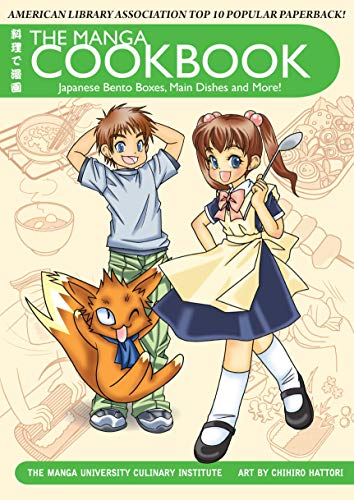
At the time, only the first book of The Manga Cookbook series was available.
This cute little book gave me enough recipes that, by the time I reached high school, other kids were both curious and a little envious of my lunches..
The book not only listed recipes on how to make certain foods, but it also taught readers:
- How to hold and use chopsticks
- How to set a table
- Basic Kitchen Safety
It also touched on other topics, such as ingredients that aren’t commonly used in Western cooking and some basic knife techniques. It wasn’t meant to turn you into a pro, just to give you a solid foundation.
This book is perfect for beginners, but it’s interesting enough for cooks of all skill levels can enjoy.
While I haven’t picked up book two or three of the series, I understand that not only do they have more dishes but the writers of the series were mindful enough to include vegetarian friendly recipes, beverages, snacks, and desserts.
The Manga Cookbook was enough for me to dive more into the world of anime that had the recurring theme of cooking.
In middle school, I mainly prioritized baking and would watch this anime:
Honorable Mention 1: Yumeiro Patissiere

This show was POPULAR. It had a manga series and even a Nintendo DS game, but all of it was only available in Japanese—there were no English translations.
Only the anime was accessible to international viewers.
It’s a gentle, cozy, low-stress series that I’m sure many girls would enjoy watching. It’s a very girly, rom-com anime about a young girl named Ichigo who dreams of becoming a pastry chef like her grandmother.
Unfortunately, Ichigo is terrible at cooking.
After a chance encounter, she ends up studying at an elite culinary arts boarding school, where she’s immediately placed among the top students in her class. With the help of her new friends and a few sweet spirits, she begins learning the basics of baking and goes on many pastry-filled adventures.
When the anime ended, my passion for baking stuck with me for awhile.
It wasn’t until high school, though, that I shifted my focus toward learning how to cook real foods and prepare proper meals.
What kick started this shift? This anime:
Honorable Mention 2: Food Wars!

|
|

|

|

|

|

|

|

|

|

|
|

|

|

|

|

|

|

|

|

|

|
|
N/A
|
$7.99
|
$9.59
|
$9.99
|
$7.99
|
$8.49
|
$9.99
|
$9.99
|
$6.01
|
$9.59
|
$9.99
|
$9.99
|
$9.09
|
$9.99
|
$9.99
|
$10.98
|
$8.54
|
$8.50
|
$9.79
|
$9.99
|
$8.50
|
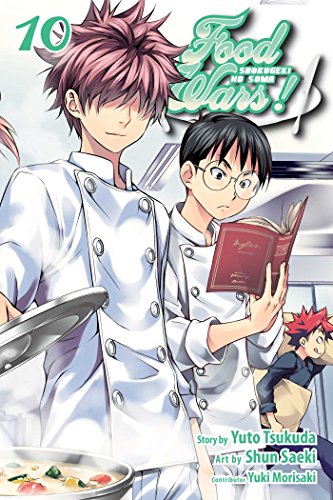
This fun series is entertaining yet educational enough to make anyone feel inspired to either go into culinary arts or just learning how to cook for themselves.
Just remember that this series is for a mature audience. It was on Adult Swim for a reason.
This anime follows Yukihira, a confident and creative teenage chef who grew up cooking at his family’s small diner.
Like Ichigo, Yukihira gets accepted into an elite culinary arts school. However, in this anime, Yukihira’s school settles many disputes cooking duels.
These cooking duels are dramatic, high stress, and cutthroat, raising the stakes far beyond a typical classroom competition.
3. How to Look Presentable
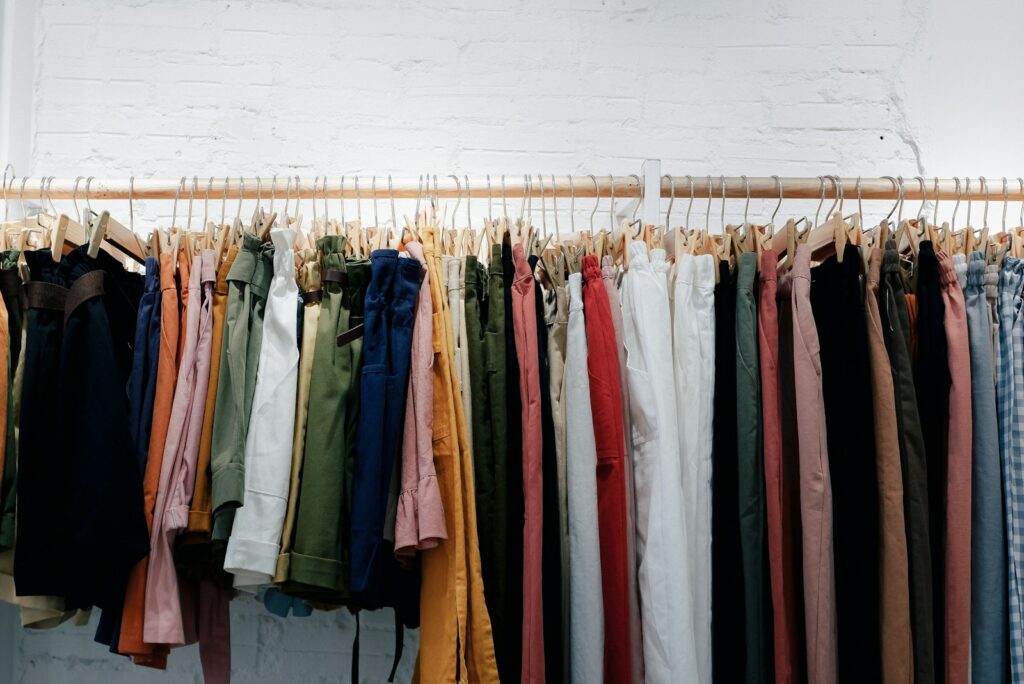
One of the things adults often told us growing up was to dress for success.
From babyhood to elementary school, it was our parents that dressed us up and styled our hair. Back then, we were their walking dolls without strong opinions about what we wore. All we cared about was having clothes on and whether they were comfortable enough to run around and play in.
It’s not until we get into our preteen years that we start to care more about what we looked like. We start paying attention to how others look, how they act, and maybe the kind of attention they get from others. From then, we notice what’s within our control and start treating ourselves like a low scale, low budget science fair project.
The project was to be more like the people we think are cool while still having elements of ourselves.
For me, that meant trying camisoles under my clothes and experimenting with makeup looks that made it seem like I wasn’t wearing any makeup at all.
I wasn’t one to dive too deep into what I looked like as a kid. I wasn’t the type to try a lot of hairstyles with my long hair or the type that wanted to try on A LOT of makeup at once.
It wasn’t until I became an adult that I really started thinking about how I looked.
A late bloomer, I know—but better late than never. In some ways, it worked out. As an adult, I had more money and more autonomy to decide how I wanted to present myself.
It was easy as a kid to pick who you wanted to listen to for beauty advice. You could easily pick an older family member that was near your age or people that seemed to have it all on social media.
Though, slowly as you grew older, you noticed there were more rules or some advice that are just questionable. Especially now, there are countless people whose main goal is to sell you something, regardless of whether they actually use it themselves or care about how it was made.
There are a lot of people you can listen to for beauty advice—many of them far more qualified than me.
When I started exploring skincare and makeup looks I wanted to try, I was looking for resources that aligned with my tastes without constantly pushing products. I wanted something informative and welcoming, not sales-driven.
During the pandemic, beauty influencers on YouTube began to feel increasingly toxic to me. Around the same time, stories like True Beauty gained popularity, but those were still fictional narratives where appearance was the central theme.
I wanted something that was simple, practical, and easy to follow along.
When I was finally ready to explore makeup in a way that didn’t feel intimidating or overly commercial, that’s when I found this book:
An easy-breezy makeup tutorial in manga form! For anyone intimidated by the world of makeup, you're in luck -- a former beauty consultant turned comic artist is here to walk you through it. Join the author as she breaks down the fundamentals of cosmetics and skin care, guided by common questions from her online followers! Learn the basics and develop your own signature style! The perfect illustrated how-to book for fans of makeup tutorials online.

This book isn’t just another product catalog or endless list of brands. Instead, it’s a fun, illustrated tutorial that breaks down the basics of cosmetics and skincare.
The manga walks you through everything from understanding simple skincare routines to learning how to apply makeup in a way that builds confidence over time. Rather than pushing a specific “right” way to look, it encourages readers to experiment, practice, and eventually develop their own personal flair.
Just remember this book isn’t meant to give you an “Instagram baddie” transformation. It’s a book that is meant to be a guide for people of all ages and all different skin types.
The focus is on learning, self-care, and understanding what works for you, not chasing trends or perfection.
This book was perfect for me to explore my makeup and skin care with, but this book caught my eye when I decided to transform my wardrobe:
Honorable Mention: Tokyo Fashion
Building a wardrobe is expensive and time-consuming…but it doesn’t have to be! Looking good is easier than ever, and all it takes is a little bit of care. Buying a few basic items in colors you can mix and match in a variety of ways will take you far. This comic book guide to fashion will show you how to introduce a Japanese flourish into your wardrobe with easy tutorials, suggestions for wardrobe essentials, and styling tips on pulling it all together!

I came across quite a few manga where fashion was a recurring theme, but most of them leaned more toward storytelling than practicality.
This book was the closest thing that I could find to what I was looking for.
That said, it’s important to take this recommendation with a grain of salt. This isn’t a traditional story-driven manga. I wouldn’t even call this a comic books. Sure, it has some comics with conversation pieces to it—but it’s not the overall feel that I get from this.
Instead, it reads more like an inspirational scrapbook—something you flip through for ideas rather than sit down and read from start to finish.
What initially caught my attention was the book’s description. It’s marketed toward people who want to become more fashion-forward without completely breaking the bank, which immediately appealed to me.
Rather than focusing on expensive brands or trend-chasing, it seems to emphasize building a look, a vibe, or an overall aesthetic using accessible pieces.
From what I can tell, the book doesn’t follow a narrative. Instead, it functions as a practical visual guide, offering tips, examples, and styling concepts that help you understand how to achieve a certain “air” or impression with your outfits.
4. How to Understand Yourself Better
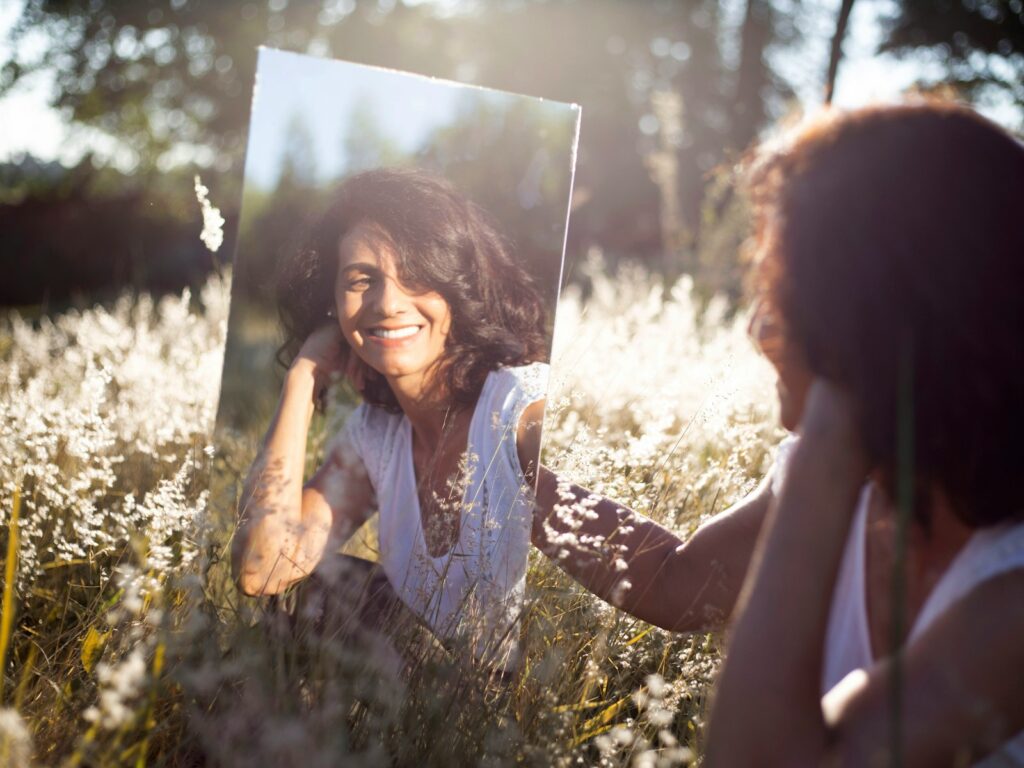
Sometimes, you need to understand yourself before you can truly understand or help others.
As children, an unspoken line between the behaviors we’re allowed to get away with and the ones that receive intense criticism. Often, we don’t fully understand why—only that some things are tolerated while others are constantly corrected.
As we grow older, we learn more about topics that we may not have paid too much mind to until it happens to us or someone really care about.
For example, I wasn’t diagnosed with ADHD until I reached adulthood.
Before then, I really didn’t think of myself as anything different. I didn’t think anything was really wrong with me.
I saw myself as a lonely child at times, but I didn’t consider my struggles to be unusual. I assumed I was dealing with the same issues as any other kid, just as a singleton since all the other kids I knew had siblings.
I had trouble paying attention, especially when something felt boring.
I was a messy organizer—I knew where everything was, even if it didn’t look organized to anyone else. There was a method to my madness.
I also struggled with time awareness, becoming so focused on one task that I ignored basic needs like eating, drinking water, or using the bathroom until the very last minute.
I knew not everyone acted this way, but I explained it to myself as people simply being different. I assumed some people just grew out of these habits as they learned how to be adults, and that this phase was something especially common in childhood.
It wasn’t until I reconnected with a childhood friend and getting to be around him that I thought, “maybe he has ADHD too?”
While I knew it wasn’t my place to diagnose him, it made me wonder if he felt a certain way.
Even after my own medical diagnosis, I didn’t think my ADHD was “that bad.”
Curious, I tried to pick up something that would grab and hold my attention and walk down this path of learning from other people’s point of view.
Tiktok only went so far. The videos were relatable, but they felt fragmented—more like moments than full explanations. They weren’t truly educational, and they didn’t always distinguish between ADHD and other conditions that can look similar.
That’s when I found this manga:
This intimate manga anthology is about the struggles and triumphs of individuals learning to navigate daily life with a developmental disorder. The comics follow the stories of nine people, including: a junior high dropout finding an alternate path to education; a former "troublesome" child helping kids at a support school; a so-called problem child realizing the beauty of his own unique quirks; and a man falling in love with the world with the help of a new medication. This inspiring volume illustrates their diverse anxieties and finding self-empowerment in a world not quite built with them in mind.

This manga isn’t a traditional narrative or self-help book. Rather than telling single story line, it collects the true accounts of nine adults navigating life with developmental disorders, including ADHD, autism, and other challenges.
Overall, the book carries a hopeful and compassionate tone, but it’s grounded in realism. It acknowledges that while positivity and growth are possible, they don’t look the same for everyone—and they don’t exist without difficulty.
It doesn’t sugarcoat or oversimplify neurodivergence. It reflects how varied these experiences can be, reminding readers that no two people live or cope in the same way.
Like life itself, the stories aren’t made up of constant happiness. There are setbacks, frustration, and moments of deep struggle alongside progress and understanding.
That said, it’s important to be aware that the book does briefly reference suicidal ideation. These moments are handled thoughtfully and without graphic detail, but they are part of the lived experiences being shared, and readers should approach the book with that in mind.
As time went on, I found other books like this—stories that aim to help people better understand experiences that often go unexplored or misunderstood.
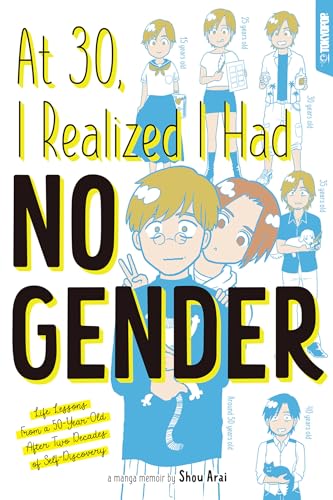
From learning about how different body sizes affect daily life, to reading perspectives from people questioning or discovering their gender identity, these books offer insight into realities that may not be our own but still deserve understanding and empathy.
While they cover very different topics, they all share a common goal: helping readers see the world through someone else’s eyes.
Because of that, I think they deserve honorable mentions.
Around the summertime, I hope to spend more time reading books like these—stories that don’t try to give easy answers, but instead encourage reflection, awareness, and compassion.
Honorable Mentions:
|

|

|
|
$13.04
|
$12.00
|
$15.84
|
5. How to Learn
Let’s be honest, learning doesn’t stop once school ends. Learning is something we do everyday.
In school, the institution measures whether or not how much you learned by giving you formative tests and summative tests.
Formative tests are the regular quizzes and check-ins you take during class, while summative tests are the larger exams, such as finals or standardized tests like the ACT or SAT.
However, everyone’s learning journey is not the same.
Some people struggle more than others and that doesn’t make them any less capable.
In high school, I excelled in nearly every single class. In college, it became a different story. My biggest problem classes were always chemistry and calculus.
I did the adult thing and studied relentlessly for those courses. No matter how many hours I put in, how many fun activities I skipped, or how many study sessions I attended, it never felt like enough.
Not passing those classes the way that I wanted made me think that I was failing in learning how to be an adult that had a future in software engineering.
I know now that wasn’t true, but back then…it really messed with my self-esteem.
Part of me still wants to prove to myself that I’m capable by re-enrolling in those university classes. But I also know that now isn’t the right time.
Instead, I’m choosing to prepare for when that time does come. And for now, that means revisiting the material in a lower-pressure way—starting with these books to refresh my mind:


|

|

|

|

|

|

|

|

|

|
|

|

|

|
|
$19.15
|
$24.99
|
$19.95
|
$19.96
|
$22.87
|
$17.94
|
$18.46
|
$19.95
|
$18.04
|
$21.12
|
$18.73
|
$21.12
|
$18.99
|
$23.99
|
|
|
|
|
|
|
|
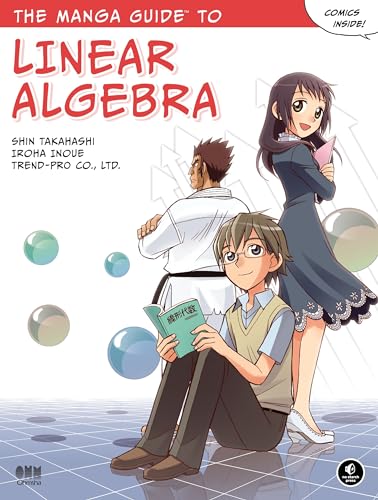
Think of these books as a lighter version of a textbook.
They include stories and examples, but they’re practical enough to introduce the core concepts of their chosen subjects. Instead of overwhelming you with dense information, they focus on helping you build understanding step by step.
These books are designed to entertain and educate, making them perfect for students or for people like me who simply enjoy learning new things at a beginner level.
I’m pretty sure these books would’ve helped me a lot during my time in university.
Still, just because I struggled to retain information in subjects like calculus and chemistry doesn’t mean I ever stopped wanting to learn.
I think that’s why so many people are drawn to genres like mystery—when something puzzles us, we actually enjoy the process of learning how to solve it.
I think a good honorable mention that not only gives us that, but also a very interesting plot with a lot of drama is this anime:
Honorable Mention 1: The Apothecary Diaries


|

|

|

|

|

|

|
|
|

|

|

|

|

|

|

|
|
N/A
|
$11.86
|
$15.19
|
$14.24
|
$15.19
|
$14.52
|
$15.19
|
$15.19
|
$15.19
|
$15.19
|
$18.99
|
$7.99
|
$7.99
|
$7.99
|
$7.99
|
$7.99
|
|
|
|
|
|
|

|

|

|

|

|

|

|

|

|

|

|

|

|

|

|
|
|
N/A
|
$10.38
|
$9.96
|
$10.39
|
$10.36
|
$10.39
|
$10.39
|
$10.39
|
$10.39
|
$10.39
|
$10.39
|
$10.39
|
$10.39
|
$10.39
|
$10.39
|
$10.39
|
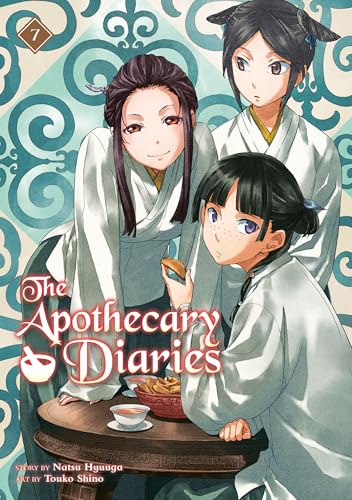
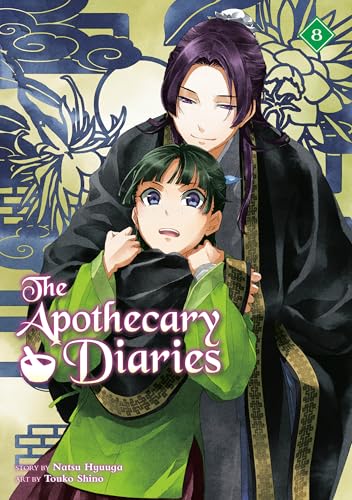
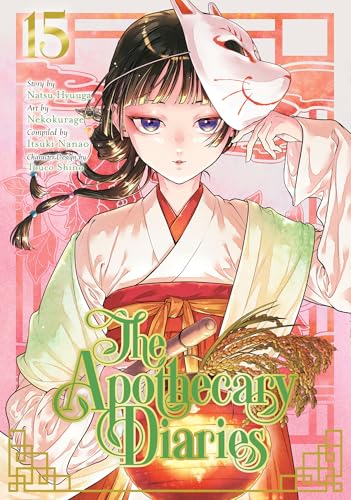
This historical fiction anime has definitely help satisfy my itch into learning something new.
This story centers on Maomao, a sharp-witted young woman with an vast knowledge of medicine, herbs, poisons, and basic chemistry. After being kidnapped and sold into servitude at the Imperial Palace, she finds herself thrust into a world of intrigue, danger, and secrecy.
What makes this series especially rewarding is how it invites the audience to think alongside Maomao.
As she observes symptoms, identifies patterns, and draws conclusions, viewers naturally begin picking up bits of medical knowledge and analytical thinking themselves.
Really, you can call her the “little girl” version of Sherlock Holmes. You don’t just watch her solve problems; you learn how to think through them with her.